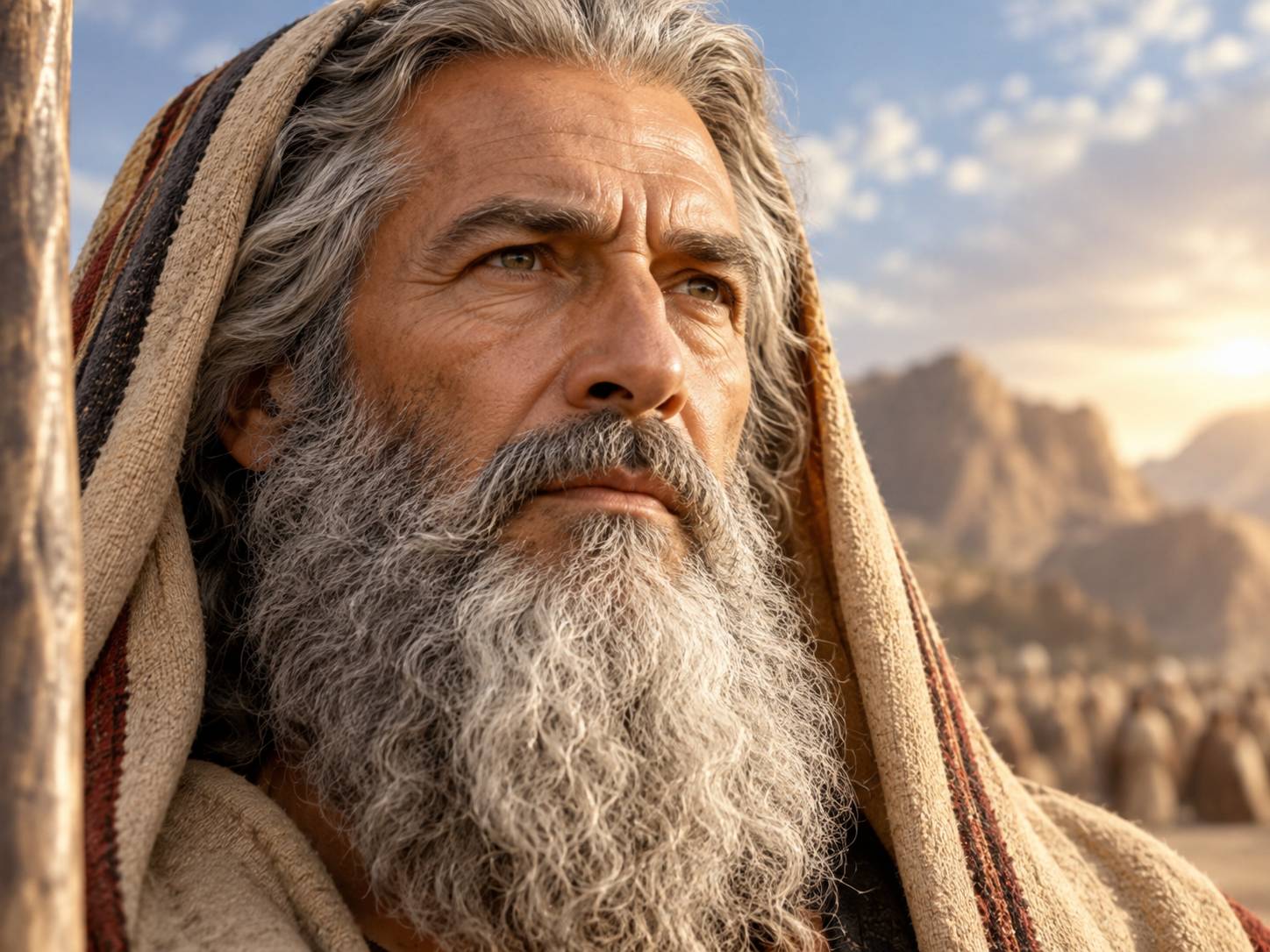
 Moses, one of the most pivotal figures in religious history, is renowned as a leader who guided the Israelites from bondage in Egypt to the threshold of the Promised Land. His leadership journey, documented in the Hebrew Bible, offers profound lessons in resilience, faith, and effective management of people. Here we explore the key leadership skills that defined Moses and contributed to his success.
1. Visionary Leadership Moses possessed a clear vision, imparted to him through divine revelation. His unwavering commitment to leading the Israelites to freedom demonstrates an inherent visionary ability. A leader needs to articulate and hold onto a compelling vision, even amid adversity. Moses communicated this vision effectively, ensuring that it resonated at both a spiritual and pragmatic level, thus inspiring and mobilizing a diverse and often reluctant population.
2. Faith and Spiritual Strength Moses’ leadership was deeply rooted in his faith. His relationship with God provided the strength to confront overwhelming challenges, including confronting Pharaoh and leading a disheartened people through the wilderness. His spiritual conviction was a source of inspiration and a stabilizing force for the Israelites. True to many great leaders, Moses exemplified the importance of having a personal anchor or a foundational belief that guides one’s decisions and actions.
3. Courage and Risk-Taking The decision to confront Pharaoh was fraught with danger, yet Moses demonstrated immense courage. This willingness to take risks for the greater good is a hallmark of effective leadership. Even when faced with the possibility of failure or personal harm, Moses acted with bravery, understanding that transformative change often requires bold steps.
4. Empathy and Understanding Moses showed tremendous empathy, a crucial skill in navigating the complexities of leadership. He was attuned to the suffering and needs of his people, often mediating on their behalf with God. His ability to listen and understand the concerns of the Israelites allowed him to lead with compassion and address grievances in a way that fostered trust and loyalty.
5. Patience and Perseverance Leading the Israelites through the desert for 40 years required exceptional patience. Moses had to deal with repeated instances of dissent, complaint, and rebellion. His perseverance in the face of constant challenges and setbacks underscores a leader’s need to remain steadfast and patient, recognizing that significant progress often unfolds over time.
6. Effective Communication Moses’ ability as a communicator was crucial in his role as a leader. Despite initial reservations about his speaking abilities, Moses successfully delivered messages that were clear, authoritative, and impactful. Effective communication is central in leadership, ensuring that vision, objectives, and expectations are understood by all.
7. Decisiveness In times of crisis, Moses demonstrated the ability to make swift and firm decisions. Whether it was navigating military threats or logistical challenges, his decisiveness provided clarity and direction. A leader’s ability to make informed decisions confidently can prevent insecurity and chaos from taking root among followers.
8. Delegation and Empowerment Moses recognized the importance of delegation to prevent burnout and ensure effective governance. He appointed capable leaders over groups of thousands, hundreds, fifties, and tens, as advised by his father-in-law Jethro. By empowering others, Moses ensured a more sustainable leadership structure and provided opportunities for others to develop their leadership skills.
9. Conflict Resolution Moses frequently acted as a mediator during conflicts, whether with external adversaries or within the community. His aptitude for conflict resolution highlights a leader’s need to address dissent constructively and promote harmony. His efforts to maintain peace and unity were vital in maintaining cohesion among the Israelites.
10. Adaptability and Innovation In the wilderness, Moses faced numerous unforeseen challenges, yet he consistently adapted and found innovative solutions. From securing food and water to establishing laws and social order, he showed flexibility and creativity. Leaders must be willing to adapt to changing circumstances and devise new strategies to achieve their goals.
11. Accountability and Integrity Moses held himself accountable to both God and the people. His integrity was evident in his willingness to accept responsibility for mistakes and maintain transparency. Trust in leadership is built on accountability and integrity, ensuring that actions align with values and commitments.
12. Commitment to Justice Moses was committed to establishing a just and equitable society. The laws and commandments he delivered provided a framework for justice and ethical behavior. A leader’s commitment to fairness and justice is fundamental in creating a stable and harmonious community.
13. Mentoring and Succession Planning Aware of his limitations and mortality, Moses prepared Joshua to be his successor. By mentoring and preparing the next generation of leaders, Moses ensured the continuity of his mission. Effective leaders plan for succession, ensuring that their vision and legacy endure beyond their tenure.
14. Resilience in the Face of Criticism Throughout his leadership, Moses faced criticism and rebellion, yet he remained resilient. His ability to withstand personal attacks and remain focused on his mission is a testimony to his inner strength and commitment. Leaders must develop resilience to weather criticism and remain steadfast in pursuing their goals.
Conclusion
The leadership skills of Moses encompass a blend of vision, faith, courage, empathy, and integrity. His journey offers timeless insights into the complexities of leading a diverse and dynamic group of people through profound challenges. From his unwavering commitment to justice and unity to his innovative problem-solving abilities, Moses provides a blueprint for effective and transformational leadership. These skills remain relevant in contemporary leadership contexts, offering guidance and inspiration to those who aspire to lead with purpose and impact.